
Chinese Crew Member Dies in Fall From Busan Cargo Ship 刚刚,釜山港中国船员锚泊期坠亡
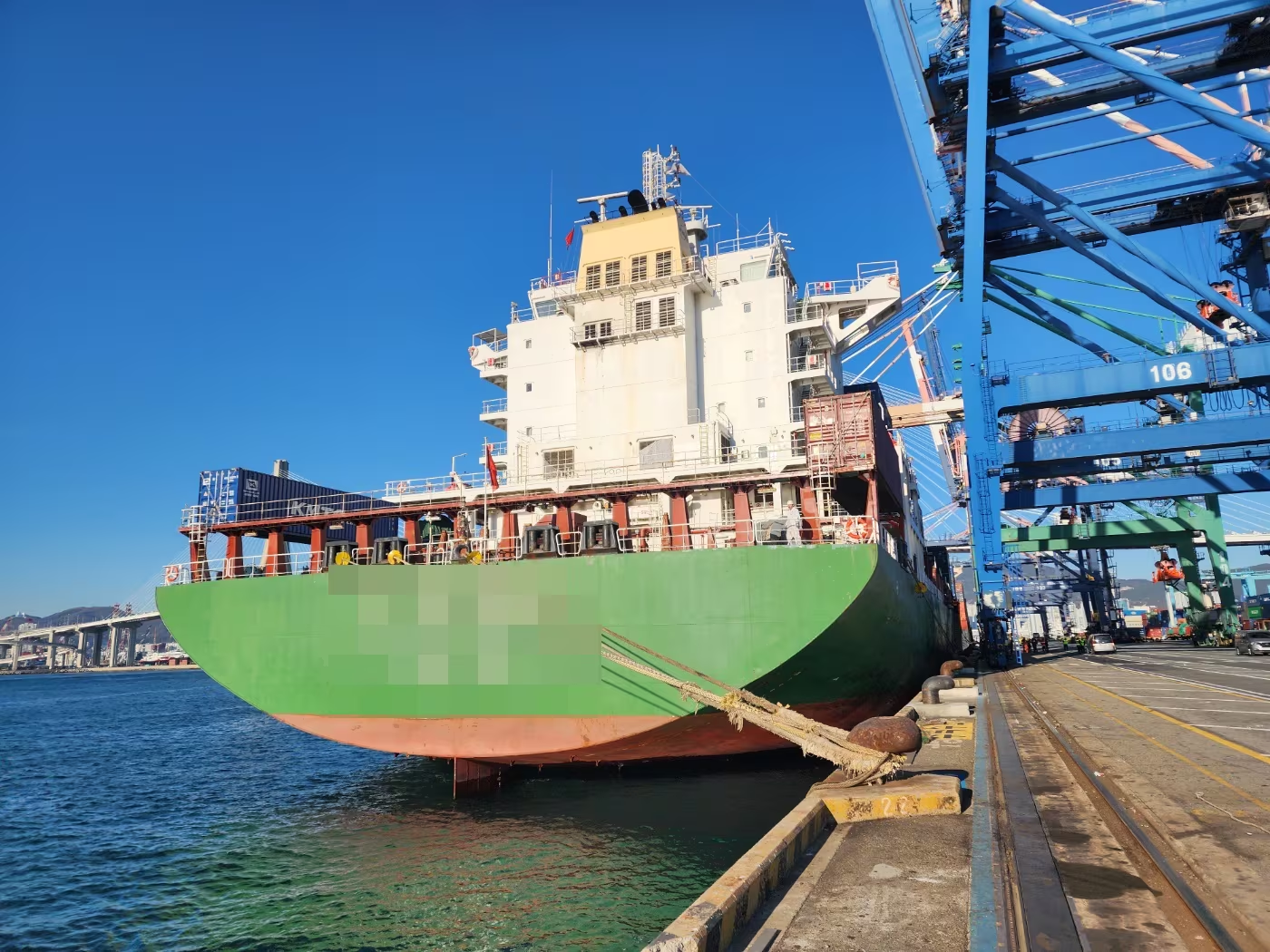
At around 9 a.m. on January 12, an accident occurred in the anchorage outside the Sinam-mun Pier at Busan Port, South Korea: a Chinese crew member in his 30s fell from the bow of a 28,433-ton container ship into the sea, which was about 12 meters deep. Although nearby firefighters quickly rescued him and sent him to the hospital, his life could not be saved. Currently, the Korean Coast Guard is investigating the specific cause of the accident based on statements from eyewitnesses on board.
1月12日上午9时许,韩国釜山港新安门码头外锚地发生一起悲剧:一名30多岁的中国籍船员从一艘28,433吨级集装箱船船头坠入约12米深的海中。附近的消防人员虽迅速将其救起并送医,但最终未能挽回他的生命。目前,韩国海岸警卫队正根据船上目击者陈述,对事故具体原因展开调查。
This incident is not an isolated accident; it serves as a sharp warning that there have long existed systemic safety loopholes behind the seemingly calm operations during anchorage, which are often overlooked. While the industry focuses significant resources on navigation and cargo safety, the anchorage area is quietly becoming a high-risk zone for personnel casualties because of insufficient attention.
这起事件并非孤立的意外,它尖锐地警示:看似平静的锚泊作业背后,长期存在着系统性的安全漏洞,却往往被忽视。当行业将大量资源聚焦于航行与货物安全时,锚地这一"安全盲区",正悄然成为人员伤亡的高发地。
Analysis of Core Risk Points: The Potential Hazards of the Anchorage Period
核心风险点分析:锚泊期的“静默”杀机
Anchorage is often misinterpreted as a “rest period” during a voyage. However, it is precisely this cognitive bias that constitutes the greatest source of risk. Except this incident, in February 2025, a fishing boat sank while anchored in the Mindong sea area of Fujian, China, causing all 10 people on board to fall into the water, resulting in 2 fatalities. On March 10 of the same year, a collision occurred in the anchorage outside the Humber Estuary in the UK between an anchored tanker and a sailing container ship, injuring several people. On March 20, a crew member on a bulk carrier in New Zealand's Cook Strait was seriously injured by a snapped rope while retrieving a fallen lashing chain on deck in severe weather. These accidents not only indicate that anchorage safety deserves attention, but also expose the simultaneous failure of multiple protective measures:
锚泊常被误读为航次中的“休息期”,然而,正是这种认知偏差,构成了最大的风险源。除了此次时间,在2025年2月,中国福建闽东海域,便发生了渔船锚泊期间沉没事故,船上10人全部落水,造成2人死亡的严重后果;同年3月10日,英国亨伯河口外锚地一艘锚泊中的油轮与航行中的集装箱船碰撞,造成多人受伤;同年3月20日,新西兰库克海峡一散货船船员在恶劣天气中回收甲板上掉落的绑扎链时,绷断的绳索击中一名船员,造成严重伤害。这些事故不仅说明锚地安全值得重视,同时也暴露了多重防线的同时失效:
1.The Lethal Combination of Environment and Condition: Whether itis the cold winter of Busan Port or the severe weather in Cook Strait, harsh conditions are direct triggers. The bow area is open with limited railing height, making it a high-risk zone. During anchorage, the ship sways with the waves, and its stability is far lower than on land. A minor slip or misstep can lead to irreversible consequences in an instant.
1.环境与状态的致命组合:无论是冬季寒冷的釜山港,还是恶劣天气中的库克海峡,恶劣环节都是直接诱因。船头区域空间开放,护栏高度有限,本就是高风险区域。在锚泊期间,船舶随波轻摇,稳性远低于陆地,一个微小的失足或打滑,在瞬间即可导致不可挽回的后果。
2.The “Suspension”of Safety Procedures and Lack of Personal Protection: The most direct question raised by the accident is—were mandatory Personal Protective Equipment (PPE) worn during operations? Were basic safety systems such as permits for working over water/at height and the two-person buddy system strictly followed? Often, rules and regulations become mere formalities under schedule pressure and habitual complacency, leaving crew members exposed to risks without any buffer.
2.安全程序的“悬空”与个人防护的缺失:事故最直接的拷问是------作业时,强制性的个人防护装备(PPE)是否穿戴?临水高空作业许可、双人协作互保等基本安全制度是否被严格执行?许多时候,规章制度在工期压力和习惯性侥幸心理前形同虚设,使得船员在毫无缓冲的情况下直面风险。
3.The “Vacuum”of Management and Supervision During Anchorage: After a ship anchors, shore-based support and supervision often weaken accordingly. Can the shipowner and management company's Safety Management System (SMS) effectively cover and regulate deck operations during anchorage? Have risk assessments and work plans been adjusted for the specificities of anchorage? Without effective monitoring, deck operations can easily fall into an “unmanaged”state. From navigation watch to cargo operations, the most basic safety disciplines and operational procedures are prone to being overlooked at critical moments, which is a common cause of tragedies.
3.管理与监督的“锚泊期真空”:船舶锚泊后,岸基支持与监督力度往往相应减弱。船东与管理公司的安全管理体系(SMS)是否能有效覆盖并约束锚泊期间的甲板作业?风险评估和作业计划是否针对锚泊特殊性进行了调整?若缺乏有效监控,甲板作业极易陷入“无管理”状态,从航行值班到货物操作,最基本的安全纪律和操作规程容易在关键时刻被忽视,是导致悲剧的普遍原因。
4.Fatigue and Dulled Risk Perception: After a long voyage, crew members are at their peak of physical and mental fatigue, with reduced alertness and reaction capabilities. Under the relaxed mindset of "approaching the port," the perception of potential risks becomes severely dulled. Failing to maintain due vigilance in a familiar working environment is an important human factor leading to judgment errors and behavioral lapses.
4.疲劳与风险感知的钝化:长途航行结束后,船员身心处于疲劳峰值,警觉性和反应能力下降。在"即将靠港"的松懈心态下,对潜在风险的感知严重钝化,未能对熟悉的作业环境保持应有的警惕,这是导致判断失误和行为变形的重要人为因素。
Practical Recommendations and Key Action Points for Personnel: Building a “Zero-Tolerance” Protection System
实操建议与人员行动要点:构建“零容忍”防护体系
Recommendations for Shipowners and Management Companies:
对船东与管理公司的建议:
1.Implement an “Anchorage Operation Safety Enhancement Procedure”: Immediately formulate and enforce a specialized safety plan for periods of anchorage and waiting. This plan must specify: a ban on any form of solo work near water; demarcation and marking of high-risk areas; and a requirement that 100% correct wearing of life jackets is mandatory for anyone entering open decks, regardless of whether work is being performed.
1.实施“锚泊作业安全强化程序”:立即制定并强制推行针对锚泊、待泊期间的专项安全计划。该计划须明确:禁止任何形式的单人临水作业;划定并标识高风险区域;规定无论作业与否,凡进入开放甲板必须100%正确穿戴救生衣。
2.Invest in Inherent Safety and Technological Innovation: Inspect and upgrade ship railings, anti-slip decks, lighting, and lifeline systems. Consider equipping crew with smart life jackets integrated with GPS positioning and auto-illumination functions to buy golden rescue time. Utilize technological means such as video monitoring to enable remote supervision and support for high-risk operations.
2.投资于本质安全与技术创新:检查并升级船舶护栏、防滑甲板、照明及生命线系统。考虑为船员配备集成GPS定位和自动激亮功能的智能救生衣,为救援争取黄金时间。利用视频监控等技术手段,实现对高风险作业的远程监督与支持。
3.Reshape Safety Culture and Empower Frontline Crew: Establish a non-punitive hazard reporting system to encourage crew to proactively report dangerous situations and unsafe conditions. The company must clearly state that any schedule delays resulting from compliance with safety procedures will be supported, thereby transforming “safety first”from a slogan into actionable confidence.
3.重塑安全文化,赋能一线船员:建立无惩罚的隐患报告制度,鼓励船员主动报告险情和不安全状态。公司必须明确表态,任何因遵守安全程序而导致的工期延误都将得到支持,从而将“安全第一”从口号转化为可执行的底气。
Action Guidelines for Captains and Crew:
对船长与船员的行动指南:
1.Follow the "STOP" Principle Before Starting Work:
1.作业前遵循"STOP"原则:
S (Stop): Pause for a moment before beginning.
S(停):开始前暂停片刻。
T (Think): Think about the task steps and potential risks (wind, waves, slippery surfaces).
T(想):思考任务步骤、潜在风险(风、浪、湿滑)。
O (Observe): Check the environment, equipment, and personal protective equipment (Is the life jacket worn correctly? Are knots secure?).
O(察):检查环境、设备及个人防护装备(救生衣穿戴是否正确、绳结是否牢固)。
P (Plan): Clarify communication signals, emergency escape routes, and confirm that the supervising personnel are in place.
P(计划):明确沟通信号、应急逃生路线,确认监护人员到位。
2.Adhere Strictly to Ironclad Rules During Work:
2.作业中死守铁律:
The Two-Person Buddy System is an Ironclad Rule: Never work or stay alone at the bow, stern, or sides of the ship.
双人同行是铁律:任何时候不得独自在船头、船尾及两舷边进行作业或停留。
Correct Protection is the Bottom Line: Life jacket, anti-slip shoes, and safety harness (where applicable) are non-negotiable.
正确防护是底线:救生衣、防滑鞋、安全绳(如适用)缺一不可。
3.Respond Precisely in an Emergency:
3.应急时精准反应:
Immediately shout continuously, “Man Overboard! Port/Starboard side!”
立即高声连续呼喊“人员落水!左/右舷!”(Man Overboard! Port/Starboard side!)。
The first eyewitness must keep pointing at the person overboard and never lose sight of the target.
第一目击者必须持续指向落水者,绝不丢失目标。
Quickly throw a lifebuoy with a self-igniting light and immediately activate the ship's emergency response plan.
迅速抛出带自亮浮灯的救生圈,并立即启动船舶应急应变部署。
Conclusion
总结
The tragedy at Busan Port, along with the frequent cargo damage incidents in the English Channel recently, reveals the same truth from different angles: In modern shipping, the greatest risk often does not come from unknown storms and waves, but from the disregard for known regulations, the compromise with habitual violations, and the lack of systematic defenses at critical junctures.
釜山港的悲剧,与近期英吉利海峡频发的货损事故,从不同维度揭示了同一真相:在现代航运中,最大的风险往往并非来自未知的狂风巨浪,而是源于对已知规章的漠视、对习惯性违规的妥协,以及在关键环节系统性防御的缺失。
For bulk carrier owners, safety investment is by no means a cost but the fundamental guarantee against unlimited risks. The system must cover every link, using institutions and culture to uphold the promise of “safety first”.
对于散货船船东,安全投入绝非成本,而是抵御无限风险的根本保障。必须将体系覆盖到每个环节,用制度和文化支撑起“安全第一”的承诺。
For every crew member, your professionalism, vigilance, and mutual assistance are the last and strongest line of safety defense. Please cherish your own lives and bravely say “no” to unsafe environments and behaviors.
对于每一位船员,你们的专业、警觉和互助是最后也是最坚固的安全防线。请珍视自己的生命,勇敢地对不安全的环境和行为说“不”。
Every injury and fatality in the shipping industry should lead to action to upgrade safety barriers. Only when shipowners take ultimate responsibility, captains exercise absolute authority, and crew members cherish their irreplaceable lives can we ensure the safety of every maritime worker.
航运业每一次刺痛都应成为升级安全壁垒的行动。唯有船东负起终极责任、船长行使绝对权威、船员珍视不可重来的生命,才能守护每一位海上劳动者的平安归来。
The comments section is left for you: Have you experienced or witnessed any dangerous situations during anchorage? What do you think is the biggest hidden danger?
评论区留给您:您在锚泊期经历过或见过哪些险情?您觉得最大的隐患是什么?
Source: The Chosun Ilbo
新闻来源:《朝鲜日报》
 RELATED NEWS
 Hotline
 Email
Email
 沪公网安备 31011502016705号
Disclaimer:
This communication has been prepared for general information only. To the maximum extent permitted by law, E-PORTS and its affiliated companies, its and their employees, directors, agents, contractors (of any tier) and partners shall not be liable for any loss, claim, charge, damage, liability or damages howsoever arising in connection with the information even if advised of the possibility of damages. The use of the information shall be at your sole risk. Information contained herein comes with no representation or warranty (express or implied) and specifically is not represented or warranted to be correct, complete, accurate or up to date. The information is provided on an “as is” and “as available” basis and is not intended to be relied upon in any way. You shall be solely responsible for the selection, use, efficiency and suitability of the information.


 Chat with us