
Breaking News: Novorossiysk Port Were Attacked 突发!新罗西斯克港遭袭:石油码头严重受损,黑海航运通道再受冲击
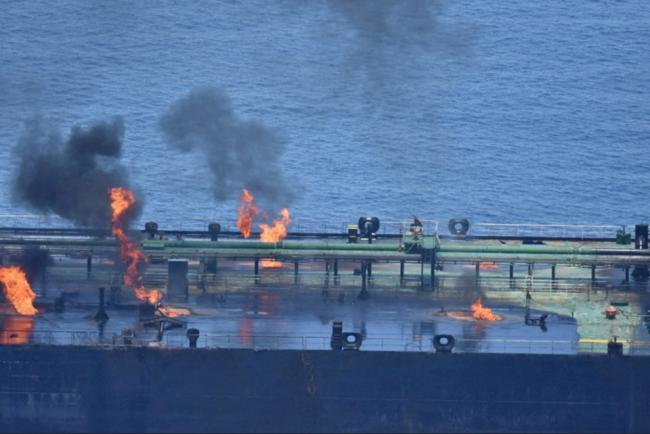
On March 2, the port of Novorossiysk in Russia was hit by a large-scale drone attack, with precision strikes targeting the oil terminal and critical infrastructure within the port. The Security Service of Ukraine (SBU) confirmed that the operation was carried out by the "Alpha" Special Operations Center in coordination with the Defense Forces, with the objective of targeting port energy facilities.
3月2日,俄罗斯新罗西斯克港遭遇大规模无人机袭击,港内石油码头及关键基础设施遭精确打击。乌克兰安全局(SBU)证实,此次行动由"阿尔法"特种作战中心与国防军协同执行,目标直指港口能源设施。
The Process of Incident
石油码头遭重创:六个装载架被毁
According to preliminary SBU reports, the Sheskharis oil terminal at Novorossiysk port was the primary target. This terminal is one of the largest oil transshipment hubs in southern Russia, equipped with a total of seven oil loading racks. The Ukrainian forces confirmed that six of these were struck and severely damaged. Following the attack, a large fire broke out in the port area, accompanied by continuous explosions, with a fire area of approximately 120 square meters.
据SBU初步战报,新罗西斯克港谢斯哈里斯石油码头成为重点打击目标。该码头是俄罗斯南部最大的石油转运枢纽之一,共有七个油品装载架。乌军确认其中六个被击中并严重损毁。袭击发生后,港区燃起大火,爆炸声持续不断,过火面积约120平方米。
The mayor of Novorossiysk confirmed that multiple residential buildings were damaged in the attack and civilians were injured. The Russian side claimed to have shot down most of the incoming drones but acknowledged that a fire had occurred at the oil terminal.
新罗西斯克市市长证实,多栋居民楼在袭击中受损,有平民受伤。俄方宣称击落了大部分来袭无人机,但承认石油码头发生火灾。
Port Operations Face Severe Challenges
港口运营面临严峻挑战
Novorossiysk port is one of Russia's most important commercial ports in the Black Sea region, handling a substantial volume of oil, liquefied gas, and dry bulk cargo exports. This attack will have multiple impacts on port operations:
新罗西斯克港是俄罗斯在黑海地区最重要的商港之一,承担着大量石油、液化气及散货的出口任务。此次袭击将对港口运营造成多重冲击:
Oil Export Disrupted
石油出口受阻
The destruction of six oil loading racks implies a long-term reduction in the terminal's oil loading capacity. The timeline for repairs remains unclear, and in the short term, Russia's oil exports via Novorossiysk will significantly decrease, directly affecting its energy supply to the international market.
六个油品装载架损毁,意味着码头石油装船能力将长期受限。修复工作何时完成尚不明朗,短期内俄罗斯通过新罗西斯克的石油出口量将显著减少,直接影响其对国际市场的能源供应。
Vessel Movement Restricted
船舶进出受限
Following the attack, port authorities have imposed temporary restrictions on vessel movements. Some vessels originally scheduled to call at Novorossiysk are forced to wait at outer anchorages, and the backlog is worsening. Industry insiders suggest it may take days or even weeks for the port to resume normal operations.
袭击发生后,港口管理部门已对船舶进出实施临时限制。部分原计划挂靠新罗西斯克的船舶被迫在港外锚地等待,锚地船舶积压情况正在加剧。业内人士透露,港口可能需数日甚至数周才能恢复常态运营。
Insurance Premiums May Rise
保险费率可能上涨
With the port designated as a high-risk area, vessel insurance premiums are likely to increase. For vessels frequently calling at this port, operating costs will rise significantly. Some insurance companies may impose additional clauses or even refuse coverage.
港口被划入高风险区域后,船舶保险费率可能上调。对于频繁挂靠该港的船舶而言,运营成本将明显增加。部分保险公司可能附加额外条款,甚至拒绝承保。
Far-reaching Impact on Regional Shipping
对区域航运的深远影响
The attack on Novorossiysk port comes at a time when global energy transport routes are already under strain:
新罗西斯克港遇袭,正值全球能源运输通道本就紧张之际:
Black Sea Route Disrupted: Vessels are forced to divert or face delays, increasing voyage distances and transportation costs. For cargo owners relying on Novorossiysk for exports, the risk of supply chain disruption is escalating.
黑海航线受阻:船舶被迫改道或延误,增加航程与运输成本。对于依赖新罗西斯克出口的货主而言,供应链中断风险正在上升。
Increased Pressure on Alternative Ports: Neighboring ports will absorb some of the diverted vessels, but their handling capacity is limited, and congestion is expected to occur soon.
替代港口压力增大:周边港口将承接部分分流船舶,但装卸能力有限,预计很快将出现拥堵。
Energy Price Fluctuations: News of the blocked oil export route has already stimulated short-term oil price volatility. If such attacks become normalized, it could have a more profound impact on the global energy market.
能源价格波动:石油出口通道受阻的消息已刺激油价短期波动,若袭击常态化,可能对全球能源市场产生更深远影响。
Reshaping of Shipping Security Landscape: The security of ports, as critical infrastructure, has expanded from concerns over "natural disasters, strikes" to include "military conflict." Shipowners must now integrate geopolitical risk into their routine voyage planning assessments.
航运安全格局重塑:港口作为关键基础设施,其安全问题已从"自然灾害、罢工"扩展到"军事冲突"。船东在航线规划时需将地缘政治风险纳入常态化评估。
Recommended Measures
应对措施
In response to the sudden situation at Novorossiysk port, relevant parties are advised to take the following measures:
面对新罗西斯克港的突发状况,建议相关方采取以下应对措施:
Real-time Port Monitoring: Closely follow the latest information released by port authorities, agents, and authoritative maritime platforms to adjust vessel schedules promptly.
实时跟踪港口动态:密切关注港口管理部门、代理机构及权威海事平台发布的最新信息,及时调整船舶计划。
Evaluate Alternatives: For vessels already booked to call at Novorossiysk, communicate early with charterers to assess the feasibility of changing ports or postponing.
评估替代方案:对于已预订挂靠新罗西斯克的船舶,提前与租家沟通,评估改港或延期的可行性。
Port Diversion: Some vessels may consider diverting to other Black Sea ports such as Tuapse or Novorossiysk (note: likely meant other ports like Tuapse, as Novorossiysk is the affected port) to mitigate potential risks. However, such diversion may impose short-term operational pressure on the alternative ports.
港口分流:部分船舶或许考虑转移至图阿普谢等其他黑海港口,以规避潜在风险。同时,这种分流可能在短期内给替代港口带来一定的运营压力。
Strengthen Security Precautions: While waiting at outer anchorages, vessels must remain vigilant, comply with port authority safety instructions, and activate the Ship Security Plan if necessary.
加强安全防范:船舶在港外锚地等待期间,需提高警惕,遵守港口当局的安全指令,必要时启动船舶保安计划。
Review Insurance Clauses: Confirm with insurance providers whether current policies cover wartime risks, and promptly purchase relevant additional coverage if needed.
关注保险条款:与保险公司确认当前保单是否覆盖战时风险,如有需要及时增购相关附加险。
Conclusion
结语
The attack on Novorossiysk port serves as another stark reminder of the vulnerability of port security. Against the backdrop of ongoing global geopolitical tensions, ports have evolved from mere logistics nodes into potential strategic military targets. For shipping professionals, staying abreast of port dynamics, accurately assessing risks, and flexibly adjusting routes have become essential courses for ensuring supply chain stability.
新罗西斯克港的遭袭,再次敲响港口安全的警钟。在全球地缘政治紧张局势持续的背景下,港口已从单纯的物流节点变为潜在的战略打击目标。对于航运从业者而言,实时掌握港口动态、准确评估风险、灵活调整航线,已成为保障供应链稳定的必修课。
 RELATED NEWS
 Hotline
 Email
Email

 沪公网安备 31011502016705号
Disclaimer:
This communication has been prepared for general information only. To the maximum extent permitted by law, E-PORTS and its affiliated companies, its and their employees, directors, agents, contractors (of any tier) and partners shall not be liable for any loss, claim, charge, damage, liability or damages howsoever arising in connection with the information even if advised of the possibility of damages. The use of the information shall be at your sole risk. Information contained herein comes with no representation or warranty (express or implied) and specifically is not represented or warranted to be correct, complete, accurate or up to date. The information is provided on an “as is” and “as available” basis and is not intended to be relied upon in any way. You shall be solely responsible for the selection, use, efficiency and suitability of the information.








 Chat with us