
A Cargo Ship Collided With a Fishing Vessel in Ningde Waters Four People are Missing 突发!货轮与渔船在宁德海域相撞!目前4人失联!
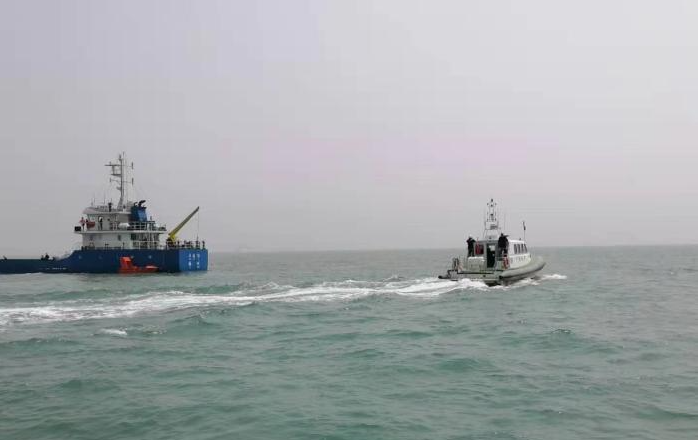
Image Credit: the Internet
图片源于网络
On the afternoon of October 21st, a cargo ship collided with a fishing vessel in the waters off Ningde, Fujian, resulting in 4 people missing. Search and rescue operations are still underway.
10月21日下午,一艘货轮与一艘渔船在福建宁德海域发生碰撞,渔船上有4人失联,搜救工作仍在进行中。
Recently, there have been two cargo ship accidents in the waters off Ningde, Fujian. On the morning of October 20th, a cargo ship sank near the Sishuang Archipelago in Xiapu, Ningde, Fujian, with 5 crew members falling overboard, but all were rescued and brought ashore.
福建宁德海域近日已发生两起货船事故。10月20日上午,一艘货船在福建宁德霞浦四礵列岛附近水域遇险沉没,5名船员落水,但全都获救上岸。
The tragedy of ship collisions can not only lead to casualties and cargo losses, but also potentially trigger catastrophic consequences, especially for oil tankers transporting crude oil, chemicals, and other dangerous goods. A collision can cause severe damage to the ship's structure and may lead to the leakage of harmful substances, causing irreversible damage to the marine ecosystem and the surrounding environment.
船只相撞的悲剧不仅可能导致船员伤亡和货物损失,更有可能引发灾难性的后果,特别是对于那些运输着原油、化学品等危险品的油轮。一旦发生碰撞不仅会造成船体的严重损坏,还可能导致有害物质的泄漏,对海洋生态和周边环境造成不可逆转的破坏。
The main factors contributing to such tragedies can be attributed to external and human factors. Ships face multiple restrictions while navigating. Firstly, the traffic environment in the offshore areas close to docks and ports is usually more complex, which poses certain limitations when operating the ship. In addition, the maneuverability of the ship is also an important factor. Different ship types and ages can affect the maneuverability of the vessel. A ship that has been hit will be severely deformed, affecting its maneuverability.
造成这类悲剧的主要因素可以归结为外部因素和人为因素。船舶在航行时受到多重限制。首先,靠近码头和港口的近海区域的交通环境通常较为复杂,这使得在操作船舶时会面临一定的局限性。此外,船舶的操纵性能也是一个重要的因素。船型、船龄的不同都会影响到船舶的操作性。船舶遭受撞击后会严重变形,影响船舶的操纵性。
At the same time, the seaworthiness of the ship is another factor. Seaworthiness mainly refers to the comprehensive inspection of the ship before sailing to ensure that all indicators meet the navigation requirements. Larger ships are more prone to problems due to changes in inertia and navigation efficiency during navigation, especially in relatively narrow waters where there is less room for maneuver. The watertight compartments on a ship are designed to limit water intake when the ship is damaged, but if there is a malfunction in the valves or structure of the watertight compartments, it may also lead to the ship sinking rapidly after being damaged.
同时,还有船舶的适航状态。适航状态主要是指在航行之前,要对船舶进行全面的核查,要确定各项指标都能够满足航行要求。尺寸越大的船舶在航行时更容易因惯性、航效的变化而出现问题,特别是在较为狭窄的水域,操作余地会变得更小。船舶上的水密舱是为了在船舶受损时限制进水,但如果水密舱的阀门或结构出现故障,也可能导致船舶受损后迅速下沉。
In addition to external factors, there are also human factors. If the crew does not maintain a continuous and uninterrupted state of observation and does not adopt a systematic and comprehensive lookout method, it may fail to detect approaching vessels early and to check the course in time, leading to collision accidents. Secondly, during the ship's navigation, if the speed is too fast, the maneuverability of the ship will be greatly reduced, making the ship less responsive when it needs to turn or avoid, and making it difficult to effectively control the ship's course. Therefore, crew members must receive professional training so that they can use their professional knowledge, skills and adaptability in emergency situations to reduce improper operations.
除了外部因素外,还存在着人为因素。如果船员未保持连续的、不间断的观察状态,未采取系统的、全方位的瞭望方法,以至于未及早发现来船,未及时核对本船航向,易导致碰撞事故发生。其次,在船舶行驶过程中,若行驶速度过快,会大大降低船舶的操纵性,使得船舶在需要转向或避让时反应不够灵敏,难以有效控制船舶的航向。因此,船员必须接受专业培训,以便在紧急情况下运用专业知识、技能和应变能力,减少操作不当的行为。
Improper operation by the crew can lead to not only ship collisions, but also more seriously capsizing. Professionals have pointed out that there are many reasons for ships to capsize, one of which is a collision that causes a large amount of water to enter the damaged compartment, which reduces the buoyancy and stability of the ship. Reduced stability leads to a decrease in the GM value, causing the ship to tilt, and the cargo on the ship shifts due to gravity, which can seriously lead to the capsizing or sinking of the ship. In this case, the crew needs to react quickly and promptly inject ballast water to increase the stability of the ship. Ballast water can lower the center of gravity of the ship and increase the GM value.
船员的操作不当除了会导致船只相撞外,更严重的还会发生船只倾覆。曾有专业人士指出,引起船舶倾翻的原因众多,其中一条就是船舶发生碰撞,造成破损部位舱室大量进水,舱室进水会导致船舶的浮力和稳性降低。稳定性降低使得GM值随之减小,船体向一侧倾斜,船上的货物因重力发生移动,严重时可能导致船只倾覆或沉没。在这种情况下,船员需要迅速反应,及时注入压载水增加船舶的稳定性。压载水可以降低船舶的重心,增加GM值。
When loading cargo, it is also necessary to consider the load-bearing capacity of the hull plates. For older ships, improper loading can lead to hull plate ruptures, causing one side of the ship's compartment to take in water, leading to capsizing. When the tilt angle reaches 1-1.5 degrees, the crew should be alert and respond quickly.
在配积载时,还必须考虑船体钢板的承受能力。对于年份已久的船只来说,积载稍有不当,就会导致船壳板破裂,一侧船舱就会进水或漏水,从而造成倾覆。当倾斜角度达到1-1.5度时,船员就应该警觉,并迅速作出反应。
Ballast tanks are compartments in ship design used to load ballast water, and their main function is to adjust the position of the ship's center of gravity to ensure the stability and safety of the ship. Therefore, when the ship tilts, the ballast tank plays a crucial role. If the valves of the ballast tank are not tightly closed, it may lead to water entering the compartment, affecting the ship's buoyancy and stability, thus threatening the safe navigation of the ship.
压载舱是船舶设计中用于装载压载水的舱室,其主要功能是调整船舶的浮心位置,确保船舶的稳定性和安全性。因此,在船舶倾斜时,压载舱发挥着至关重要的作用。如果压载舱的阀门关不严,就可能导致舱室进水,影响船舶的浮力和稳性,从而威胁到船舶的安全航行。
Sea areas are complex and diverse, and there are many hidden dangers in ship navigation that are not easy to detect. Shipowners need to take a series of strict measures to inspect and eliminate these hidden dangers to ensure safe navigation. In addition, shipowners should regularly undergo professional skill training to ensure that they can quickly make the right decisions and actions in the face of maritime crisis situations, ensuring the safety of personnel and cargo.
海域情况复杂多样,船舶航行中存在着诸多的隐患,有些潜伏较深不易察觉,船舶负责人需要采取一系列严格的措施来排查和消除这些隐患,保证船舶安全航行。此外,船舶负责人应定期进行专业技能培训,确保面临海上危机情况时,可以迅速做出正确的决断与行动,保证人员和货物的安全。
 相关新闻
相关新闻
 Hotline
 Email
Email

 沪公网安备 31011502016705号
免责声明:
本函件的编写仅作为一般信息。在法律允许的最大范围内,E-PORTS公司及其关联公司、其员工、董事、代理人、承包商(任何级别)和合作伙伴对与该信息相关的任何损失、索赔、指控、损害、责任或损害不承担任何责任,即使被告知可能发生损害。使用这些信息的风险由您自行承担。这里包含的信息没有任何陈述或保证(明示或暗示),特别是没有陈述或保证是正确、完整、准确或最新的。这些信息是在 "原样 "和 "现有 "的基础上提供的,不打算以任何方式加以依赖。您应对信息的选择、使用、效率和适用性负全部责任。






 联系我们
联系我们